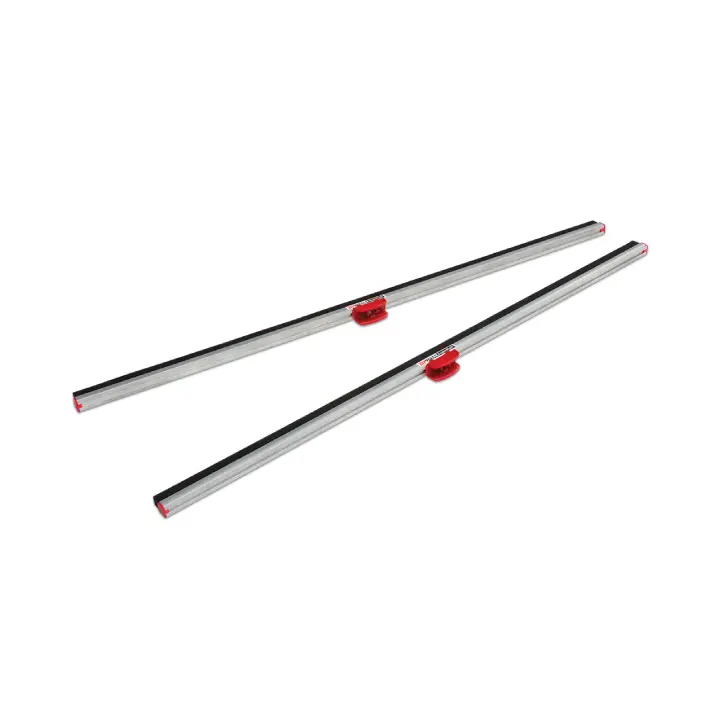
ZIPWALL FOAMRAIL TAPELESS SEAL - 2 PACK
The ZipWall FoamRail Tapeless Seal - 2 Pack provides a fast, ladder-free solution for sealing dust barriers along ceilings, floors, or walls, ensuring clean, safe, and efficient jobsite protection.
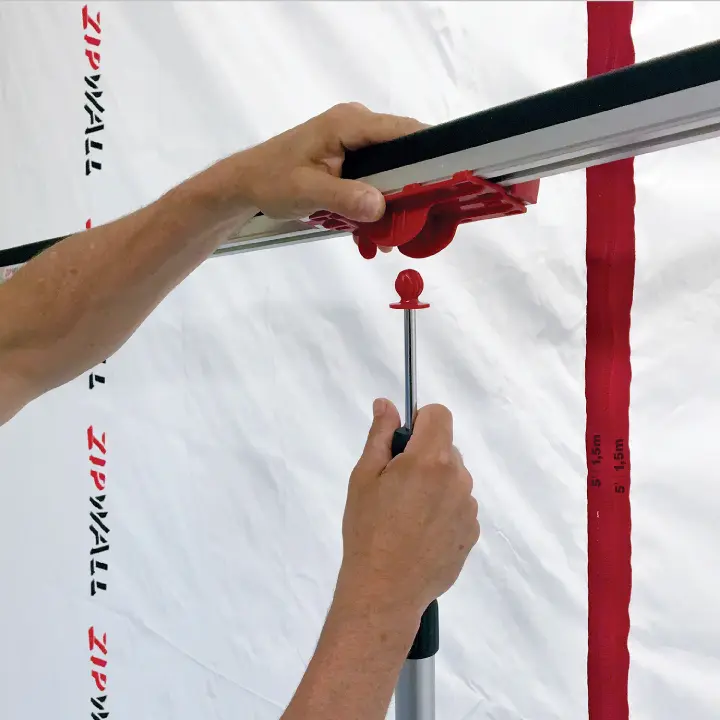
- Two 4-foot aluminum rails with T-Clip connectors for secure attachment to ZipWall poles
- No ladders or tape required, preventing damage to surfaces while saving setup time
- Compatible with plastic sheeting or ZipFast reusable barrier panels for versatile use
- Easy to install and remove, ideal for temporary commercial or residential dust barriers
- Commonly used to create sealed dust barrier areas for minor to moderate construction damage like dust transfer in projects with occasional or medium traffic
Project Case Studies
Frequently Asked Questions
ZipWall FoamRail Tapeless Seal is a reusable dust containment accessory designed to create a tight seal between dust barriers and ceilings without tape, helping improve containment performance while reducing setup time and eliminating the need for surface adhesives.
The FoamRail creates a continuous seal along the ceiling line, helping prevent dust and airborne particles from escaping over the top of temporary containment barriers. This allows contractors to achieve more effective dust control without using tape.
It is frequently used in healthcare facilities, schools, office renovations, occupied buildings, and other projects where maintaining a high level of dust containment is critical while work is being performed nearby.
A tapeless system eliminates the need to apply adhesive tape to finished surfaces, helping reduce installation time, avoid potential surface damage, and simplify barrier removal at the end of the project.